Magnetic Power Banks: When the Snap-On Convenience Is Worth It
Assess magnetic power banks by phone and case compatibility, physical fit, usable energy, wired options, and the realities of carrying a thicker phone.
This guide draws on published documentation and practical use cases, not hands-on testing. It contains no paid product placements or affiliate shopping links. How we work · Affiliate Disclosure
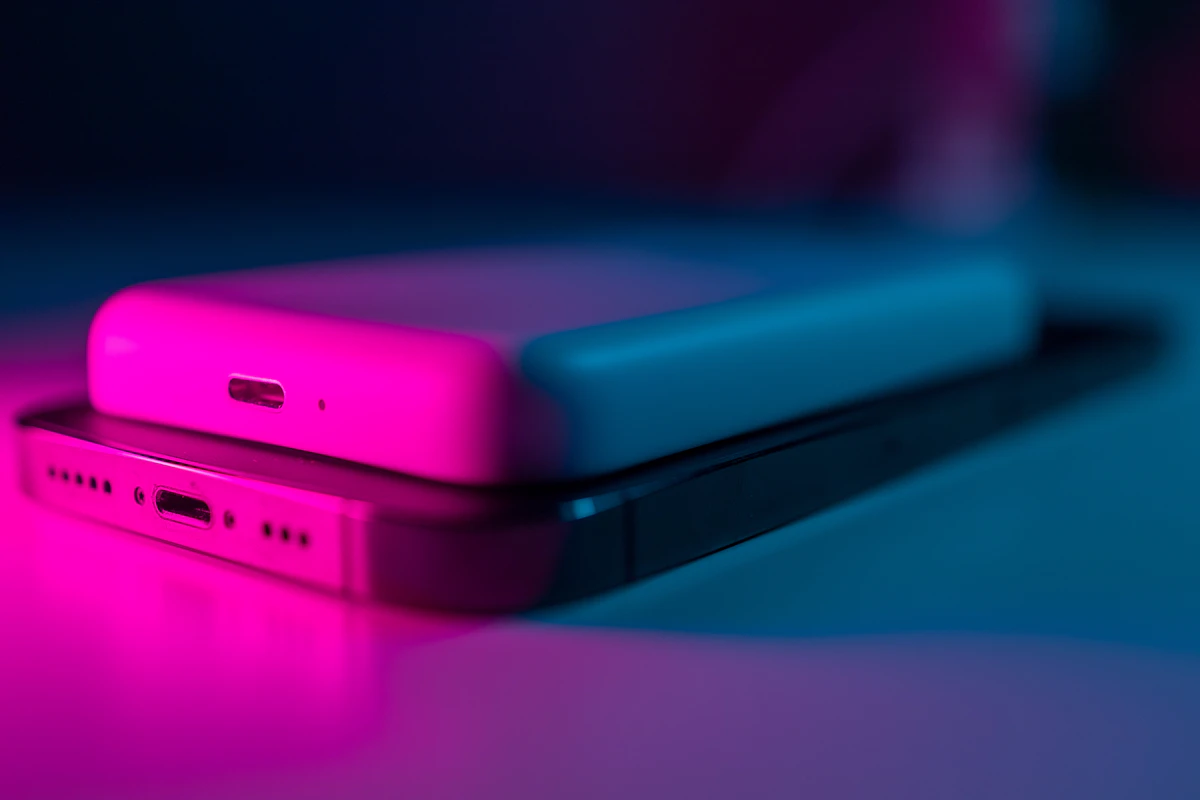
Choose magnetic attachment for a specific convenience, then check the charging standard and physical fit; magnets alone do not promise fast or efficient charging.
In this guide
You leave home with a phone, keys, and a small bag. By late afternoon, maps and messages have used more battery than expected. A magnetic power bank offers a neat idea: attach it to the back of the phone and keep walking without a cable between two pockets. The convenience is real when the combination fits, but the added thickness changes how the phone feels and where it can go.
Our assessment favors magnetic banks for occasional top-ups when avoiding a loose cable matters. A conventional wired bank remains a strong choice for longer charging sessions, several devices, or a phone that is awkward to hold with a battery attached.
Attachment is not the same as charging compatibility
A magnetic ring describes how objects align or attach. Wireless charging requires compatible electronics in the phone and battery. A case with magnets cannot universally add those capabilities or guarantee the maximum charging rate advertised for the bank.
Check the exact phone, case, and charging standard together. The Wireless Power Consortium maintains certification information for Qi products; a verifiable certification is more informative than a vague “magnetic compatible” description. Different supported combinations may deliver different power even when attachment feels equally secure.
Also distinguish a bank that magnetically attaches and charges wirelessly from one that merely uses a magnetic holder while charging through a cable. Both can be useful, but they solve the problem differently.
Compare the ways you will carry it
| Situation | Sensible starting point | Main compromise |
|---|---|---|
| Short top-up while walking between appointments | Slim magnetic bank with confirmed compatibility | Extra weight remains on the phone |
| Long charging session in a bag | Wired bank and suitable short cable | Two separate objects to manage |
| Watching a video at a table | Magnetic bank with a documented, stable stand | Stand angle and stability may be limited |
| Supporting a phone and another accessory | Bank with clearly specified wired and wireless outputs | Simultaneous use may divide power |
This comparison is about handling and versatility. It does not rank measured efficiency or promise a number of complete recharges.
Check physical fit before capacity
Compare the bank’s dimensions with the flat area on the phone’s back. Camera housings can interfere with the upper edge, and a small phone may leave a large bank extending past the bottom. A case lip or decorative panel can prevent the surfaces from sitting as intended.
Imagine using the phone’s camera, reaching its side buttons, and placing it into a pocket. A bank that fits the magnetic ring can still make those actions inconvenient. If you regularly use a grip or wallet, decide what must be removed during charging and where that accessory will go.
Magnetic attachment should not be treated as a carrying handle. Follow the manufacturer’s use guidance rather than relying on a promotional image to establish retention strength. A stand built into the bank also needs to support the combined phone-and-bank arrangement at the angle you intend to use.
Four selection steps that prevent the common mistakes
- Confirm supported charging. Identify the phone’s wireless capabilities and the bank’s exact compatible configurations, including any case requirements.
- Check the dimensions. Compare the bank with the phone, camera housing, case, and intended pocket or bag.
- Review wired input and output. Determine how the bank recharges and whether its USB-C port can also charge another device. A port can have a specific role.
- Read simultaneous-use behavior. If you want to charge wirelessly while another device uses a cable, check the documented power split and any restrictions.
Do not pay for a high wired-output figure while assuming it describes wireless output. The two should be stated separately. Our broader power bank comparison explains nominal capacity, usable energy, and why simple recharge-count arithmetic is unreliable.
Heat and energy are part of the tradeoff
Wireless charging can warm the phone and charging accessory. Apple’s charging guidance notes that software may limit charging when the battery becomes too warm. The behavior depends on the phone and circumstances; it is not a basis for predicting an exact temperature or charging time for a different bank.
A phone running a demanding app while a bank is attached faces a different situation from an idle phone on a table. Follow the relevant instructions on use, ventilation, and temperature. If the phone reports a charging pause, check its guidance rather than covering the setup or trying to override the behavior.
Apple also notes that wireless charging can use more power than wired charging. For a finite portable battery, that makes the wired option worth considering when your priority is extending the remaining reserve. There is no single efficiency percentage that applies to every phone, case, bank, and charging condition.
Who should skip magnetic charging?
Skip it if your phone does not support a suitable wireless arrangement, your preferred case interferes, or the attached weight makes the phone unpleasant to use. A slim cable and a bank resting in a bag may be more comfortable.
It may also add little when your main charging location is a desk. A fixed wireless charger or multi-device station can provide convenient placement without carrying a battery around. Keep a working wired bank if it already covers the gap in your day.
Frequently asked questions
Will a magnetic case make every phone compatible?
No. Magnets address attachment; the phone still needs suitable wireless charging hardware and support for the intended configuration.
Can I charge the bank and phone together?
Only when the manufacturer supports that operating mode. Check its restrictions and do not assume it behaves like uninterrupted backup power.
Does a larger capacity make a better magnetic bank?
Only if the extra reserve is worth the size and weight you carry. Handling can be the deciding factor for this format.
Sources and scope
Official references checked 2026-10-21: Wireless Power Consortium standards and certification and Apple’s magnetic wireless charging guidance. Carrying and selection recommendations are editorial judgments, not hands-on retention, heat, runtime, or efficiency test results.
Keep exploring
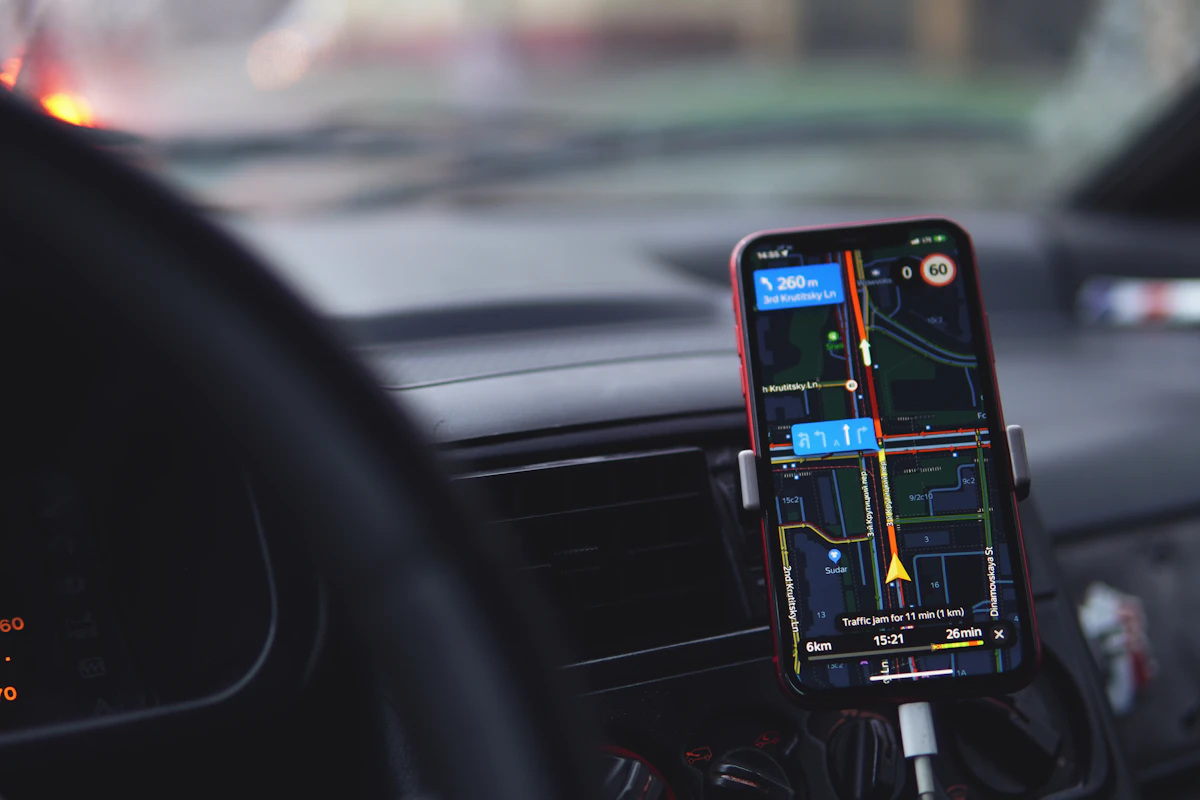
Car USB Chargers: Build a Charging Setup That Fits the Journey
Compare built-in vehicle ports, socket chargers, and passenger charging layouts by power, infotainment compatibility, cable routing, and everyday convenience.
Read the guide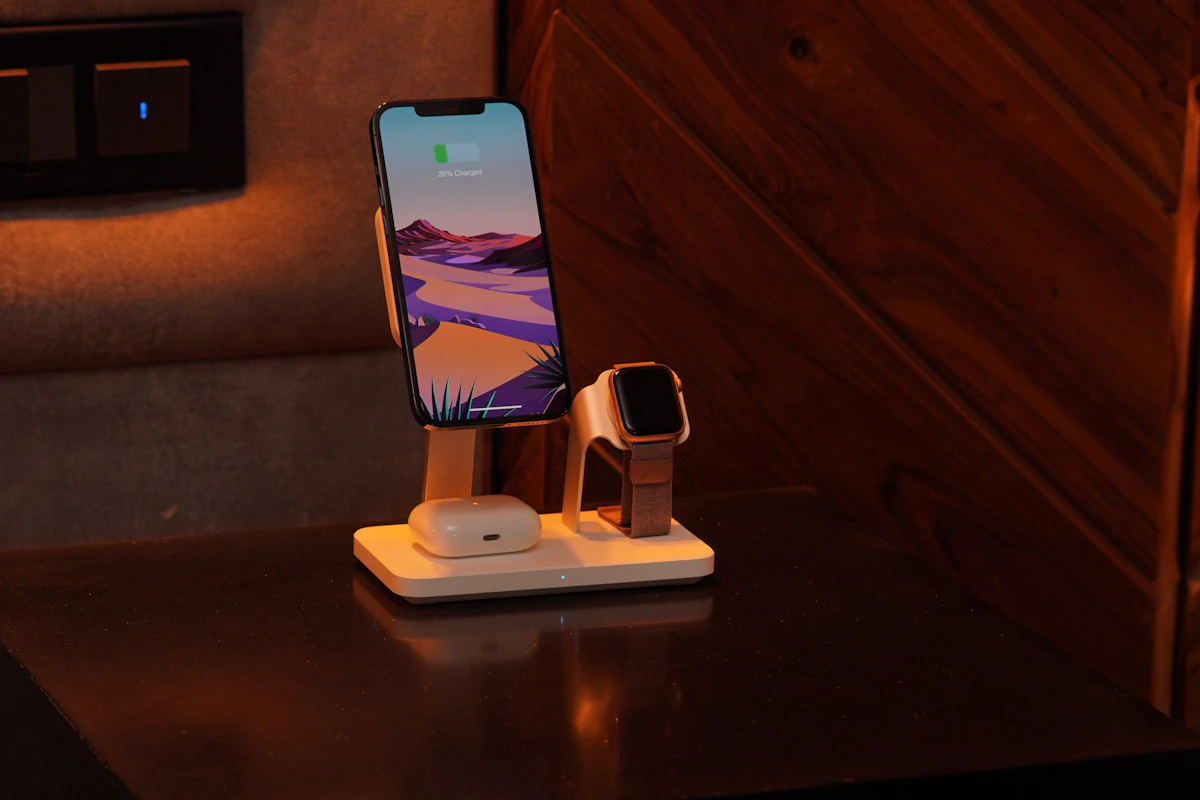
Multi-Device Charging Stations: One Stand or Separate Chargers?
Compare combined phone, watch, and earbud charging stations with separate chargers, including compatibility, daily schedules, portability, and replacement flexibility.
Read the guide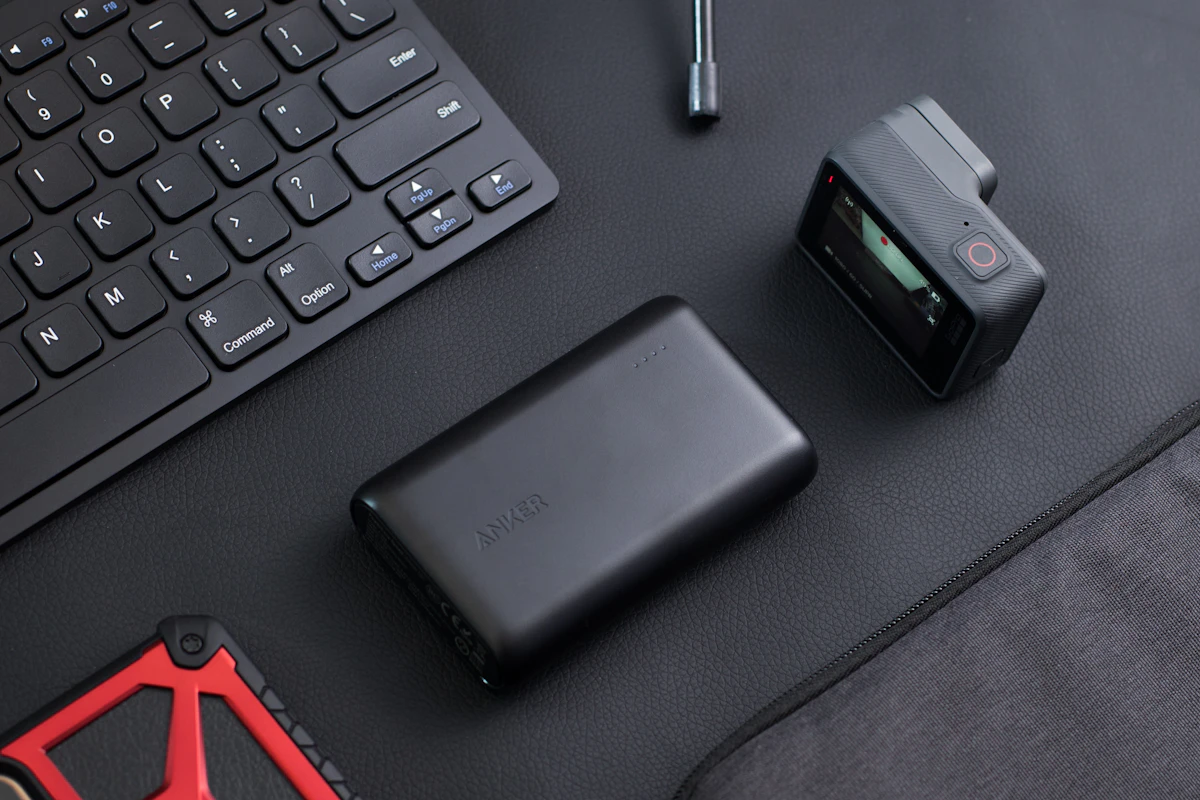
Power Banks Compared: Pocket Backup or Laptop Companion?
Compare portable battery sizes, usable energy, input and output power, and the practical tradeoffs of charging phones and laptops away from outlets.
Read the guide