Small vs. Large Bluetooth Speakers: What Makes Sense to Carry?
A practical comparison of portable speaker sizes, battery claims, stereo pairing, connections, and the tradeoffs between home use and travel.
This guide draws on published documentation and practical use cases, not hands-on testing. It contains no paid product placements or affiliate shopping links. How we work · Affiliate Disclosure
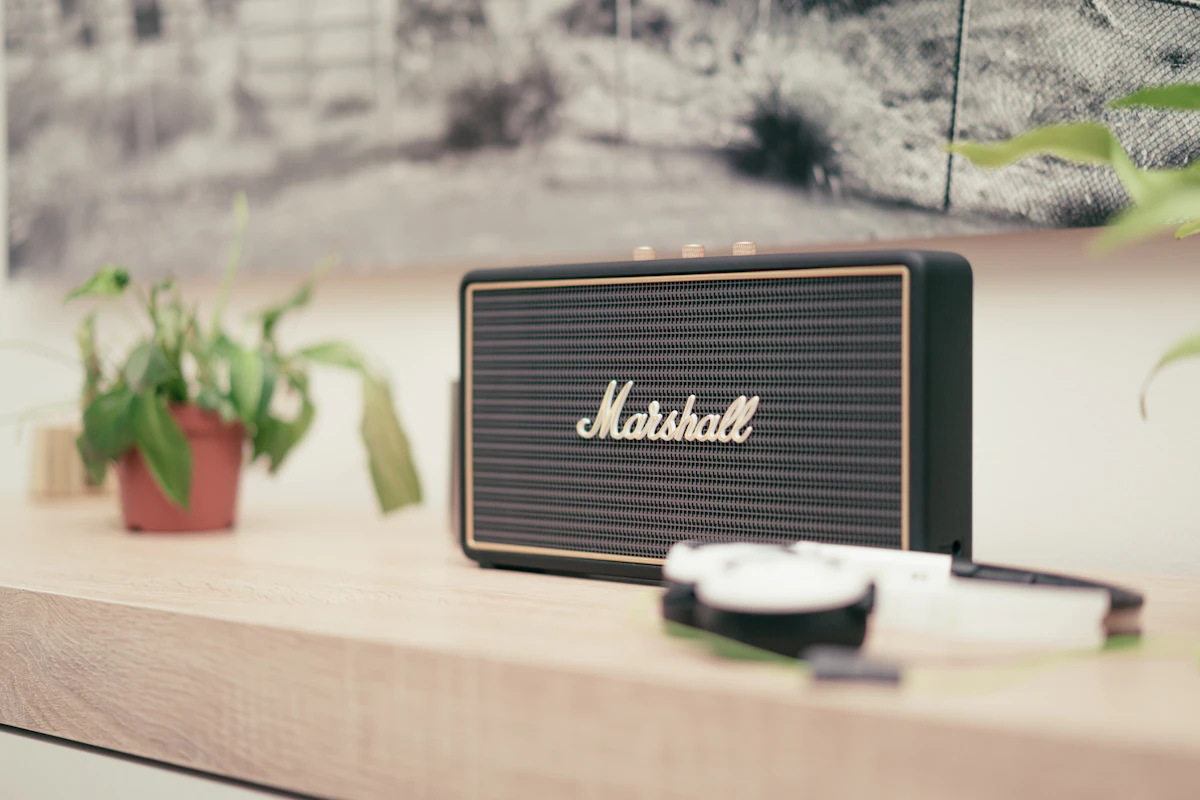
Choose for the place you actually listen, then check weight, charging, and pairing compatibility before chasing maximum output.
In this guide
A speaker that lives on the kitchen counter has a different job from one that goes in a day bag. The first needs convenient controls and a sensible charging arrangement. The second must earn its weight alongside a water bottle, phone, and everything else you already carry.
Portable is therefore a sliding scale. A handle makes a large speaker movable, but it does not make it comfortable to carry all afternoon. This comparison looks at everyday use and published capabilities rather than ranking sound quality from specifications or claiming listening tests.
Start with the listening distance
For a desk, bedside table, or picnic blanket, the speaker may sit close to the listener. Covering a busy gathering across a larger space is a different task. Write down the ordinary use first, then the occasional ambitious one. Choosing entirely for the rare event can leave you with an inconvenient everyday object.
Enclosure size, driver design, and tuning all influence sound, so dimensions alone cannot predict bass or clarity. Likewise, an amplifier wattage figure does not provide a dependable ranking of perceived loudness across unrelated designs. If sound character is important, seek an opportunity to listen to the actual speaker using familiar material.
| Format | Useful everyday role | Main compromise | A practical check |
|---|---|---|---|
| Pocket-sized speaker | A small personal listening area | Limited space for drivers and battery | Fits comfortably in the bag you use |
| Bottle-sized speaker | Moving between rooms and occasional outings | More weight than a clip-on design | Stable placement and accessible buttons |
| Large handled speaker | Gatherings where carrying is occasional | Bulky for routine travel | Storage location and carrying distance |
| Two compatible speakers | A deliberately arranged listening setup | Twice the charging and packing | Exact stereo compatibility |
Battery claims need their conditions
An advertised maximum runtime describes a particular test arrangement. Volume, sound modes, lighting, and other functions may change practical runtime. Look for the conditions behind the number rather than comparing two headline hours as if they were measured identically.
Think through the longest period when charging will be inconvenient. A speaker for a short evening in the kitchen has different requirements from one carried on a weekend trip. A built-in phone-charging function can be useful, but it shares the speaker’s stored energy with another device.
Check charging separately from audio input. A USB-C socket might be provided only for power, or it might support additional functions. Confirm those functions in the manual. The same applies to an auxiliary input: if you need to connect a particular source by cable, make that an explicit requirement.
Two speakers do not automatically make a stereo pair
Bluetooth connectivity to a phone is not the same feature as speaker-to-speaker linking. Manufacturers may use different systems across generations, and a party mode that repeats the same content is not necessarily a left-and-right stereo mode.
JBL’s support documentation, for example, distinguishes party linking from stereo pairing and describes model-specific restrictions. The broader lesson is to check the exact compatibility list before planning around a second speaker. A shared brand name or a Bluetooth version number is not enough evidence.
If the main purpose is private listening while someone else works nearby, earbuds versus headphones may be the more relevant comparison. More speaker output does not solve a shared-room disagreement about sound.
Match durability claims to the environment
Read what any published water or dust rating actually covers, together with the manufacturer’s care instructions. Do not translate a water-resistance label into permission for every kind of exposure or charging condition. A beach bag, a damp bathroom shelf, and a dry desk present different demands.
Physical details matter as well. Can you identify the play and volume controls without opening an app? Is the carrying loop appropriate for how you intend to transport the speaker? Will the design roll or wobble on the surface where you usually place it? These questions often expose a poor fit before any sound comparison begins.
Who should skip a larger speaker?
Keep a smaller speaker if its volume and sound suit normal listening. Extra size is hard to justify when it would mainly occupy a larger patch of counter. Similarly, skip a second unit if you have no suitable place to separate and charge the pair.
For travel, consider the whole charging kit. A speaker requiring another cable or adapter adds complexity beyond its own dimensions. Our travel-charging comparison helps evaluate that tradeoff.
Frequently asked questions
Does a newer Bluetooth version mean better sound?
It does not establish sound quality by itself. Look at the supported features and the complete implementation, then judge the actual listening result.
Is a speaker with a microphone automatically good for meetings?
No. Check whether it supports the required calling function and whether its placement suits voice pickup. Music playback and conference audio are different jobs.
Should I buy two small speakers instead of one larger one?
Only when the pairing system and room layout suit that plan. Two devices also mean more setup, charging, and storage.
Sources
JBL’s stereo-pairing instructions explain why speaker linking needs an exact compatibility check. JBL’s connection-system overview distinguishes multiple linking implementations, and its playback-time guidance explains why volume and content affect runtime. Sources checked October 21, 2026.
Keep exploring
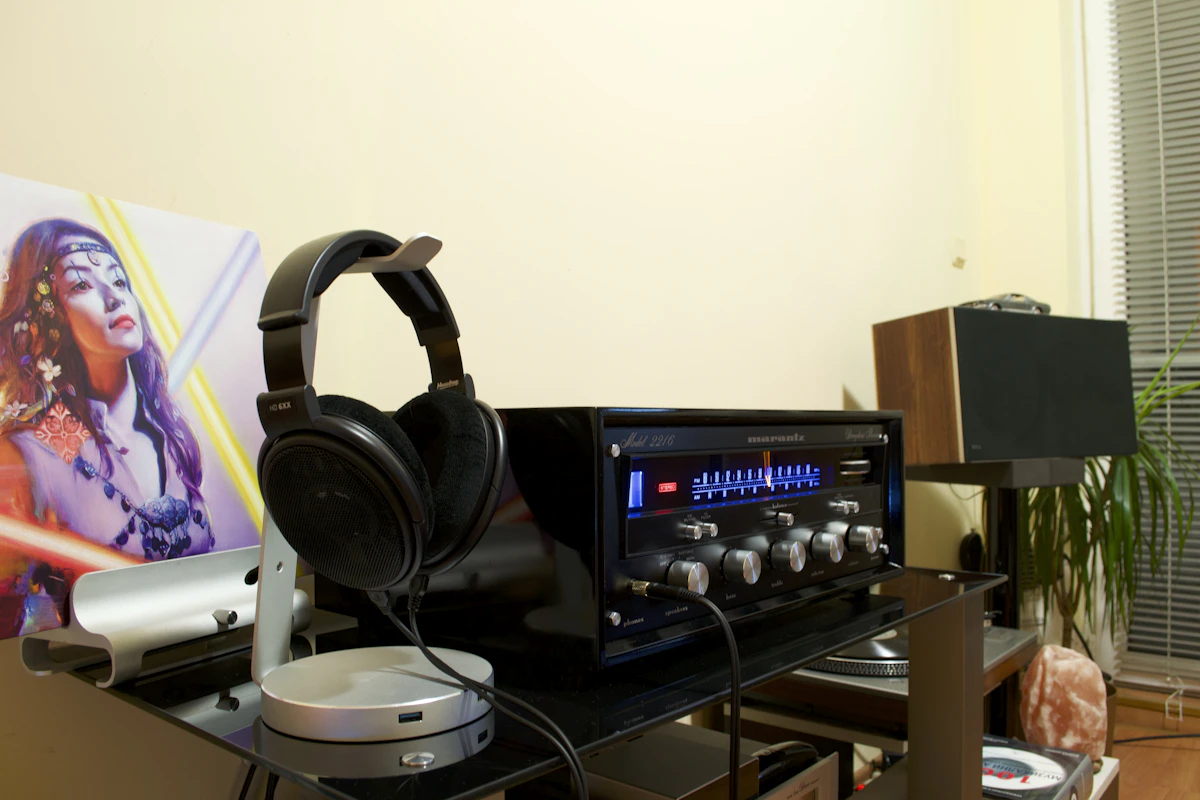
Bluetooth Audio Adapters: Get the Direction Right
Understand transmitters, receivers, audio inputs, microphone support and pairing before adding Bluetooth to older audio equipment.
Read the guide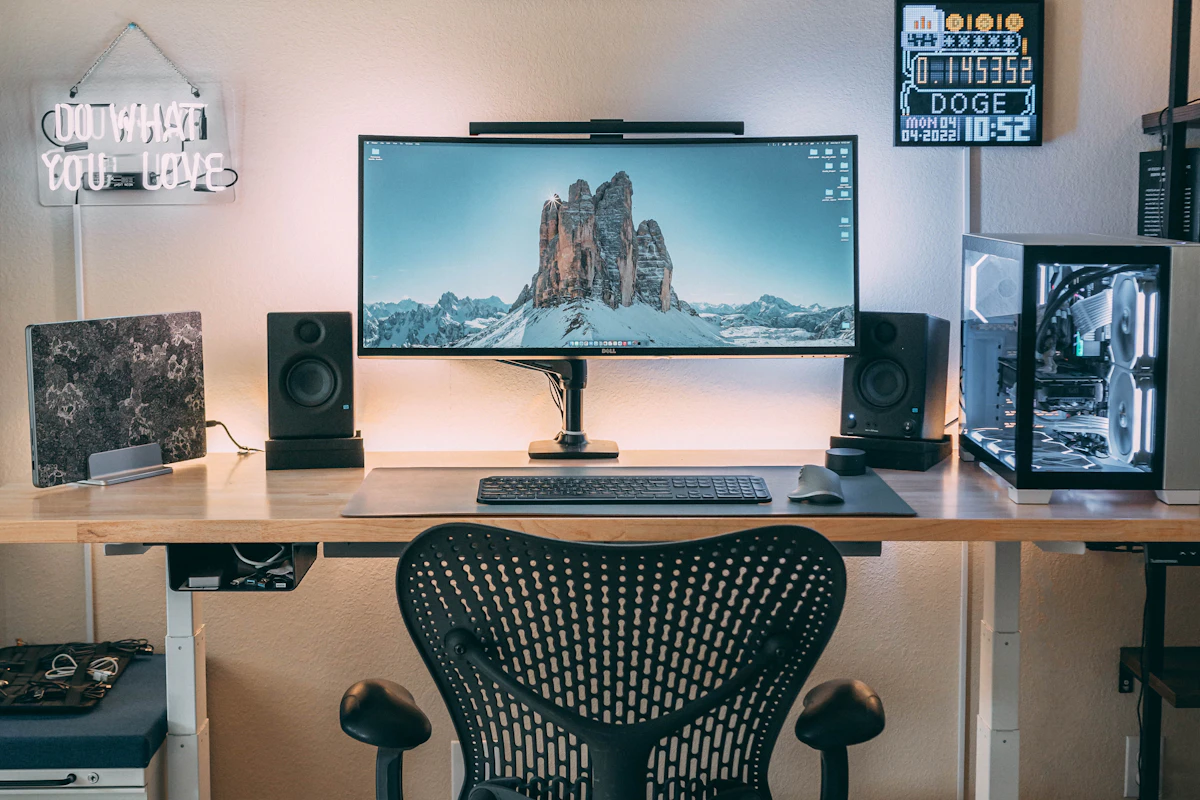
Computer Speakers vs Soundbars: Audio That Fits Your Desk
Compare separate desktop speakers and compact soundbars by placement, connections, controls and the way you actually use your desk.
Read the guide
Earbuds vs. Over-Ear Headphones: Choose for the Hours You Actually Listen
Compare earbuds and over-ear headphones for commuting, desk calls, travel, comfort, portability, and the fit details that change everyday listening.
Read the guide